
More Dentists Should Be Programmers
Simple, impactful, safe, adoptable, intuitive. Keep it simple, stupid.
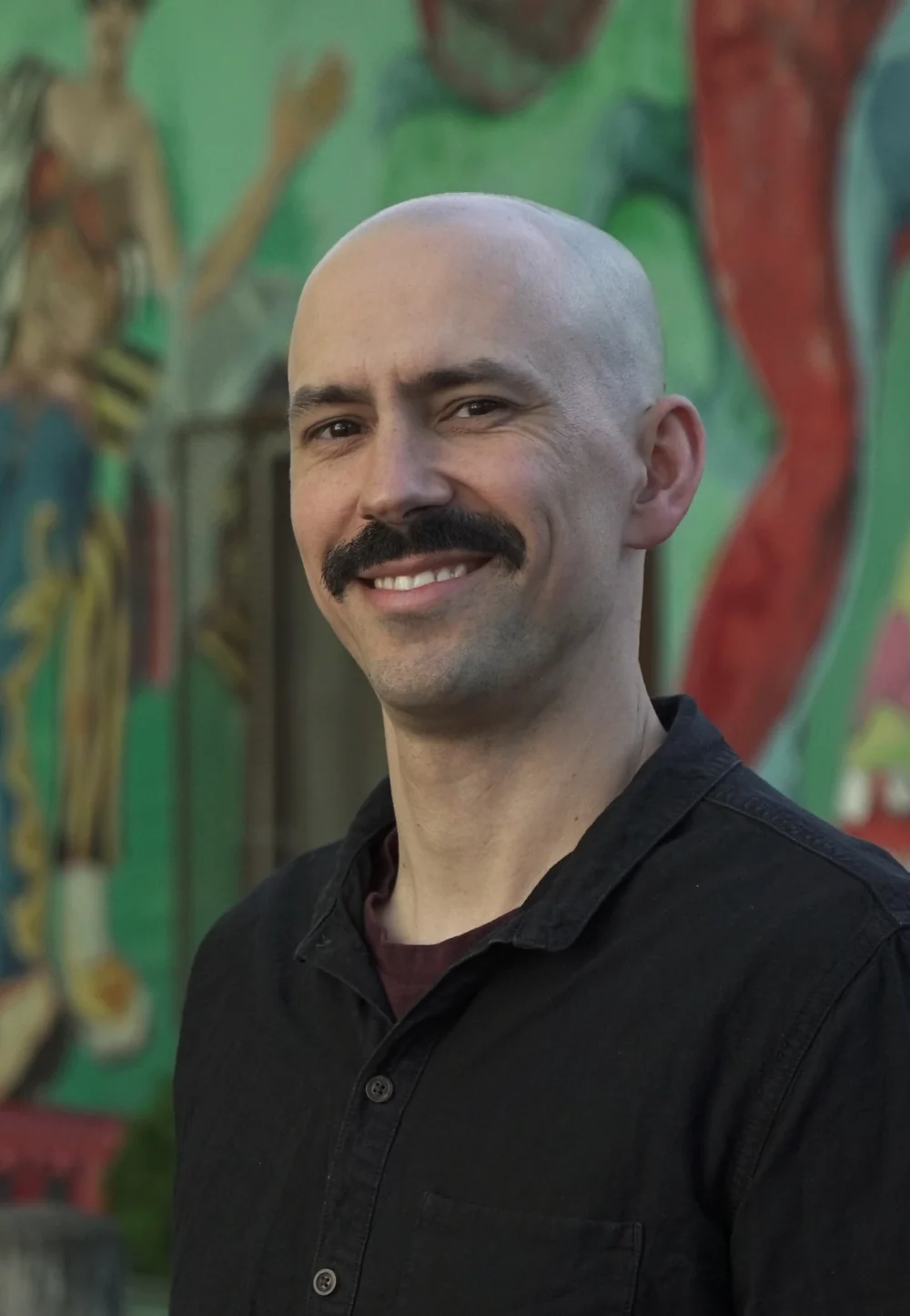
Chris Pearce, DDS
Co-Founder
2026 is a pretty wild year for software. AI and large language models seem to have hit a benchmark in actual functionality.
A couple of years ago ChatGPT felt groundbreaking, but mostly in a "look what is coming" way. It was a very cool, very promising technology that was also riddled with hallucinations (the lawyers who filed a federal brief full of fake, AI-invented case citations come to mind: Mata v. Avianca, 2023), a habit of telling you whatever it decided you wanted to hear (OpenAI eventually rolled back a GPT-4o update for exactly this and named it sycophancy), and not much utility past generating dinner ideas. There were fair questions about whether any of it would translate into tangible value once it was actually nested inside a business. MIT's NANDA initiative put a number on the skepticism in 2025, reporting that the large majority of enterprise generative-AI pilots never produced measurable impact on the bottom line (MIT, State of AI in Business 2025).
Then Anthropic, the makers of Claude, shipped Claude Code and Cowork. Suddenly computer language was accessible by simply using language. Anyone with an idea can breathe life into a project with little to no formal programming background. To be fair, plenty of what gets produced this way earns its nickname: slop. The real winners here are subject matter experts who already know their way around Python, JavaScript, and SQL, plus seasoned developers who understand best practices and can push these models to their limits. There is no substitute for knowing what good looks like, and that comes with experience.
As millennial dentists who have spent more than a decade working inside dental software, and building our own (see: Sugarbot caries detection), we are genuinely excited that this era lowers the barrier to entry for the dental software marketplace. For too long, dental tech has been designed by people who don't feel naked without a mirror and explorer, let alone being twenty minutes behind before 9am (fortunately each year this rings less true for me). Our hope is that working dentists like us will start creating the tools and workflows that solve the problems we actually have.
We are also optimistic about where the industry is headed. Healthcare has spent years moving toward interoperability standards like HL7 FHIR (Fast Healthcare Interoperability Resources), which give different systems a shared language for exchanging clinical data instead of trapping it in proprietary silos. Dentistry has its own shared vocabulary in the ADA's CDT codes, and moving data between two different platforms is less of a nightmare than it once was. Pair open standards like these with the explosion of capable open-weight models (see: Hugging Face's Open LLM Leaderboard to see how fast that frontier is moving) and you get something that has been rare in dental AI: a more open landscape where ideas can get adopted on merit instead of surviving on gatekeeping and switching costs.
Which brings me back to the title of this blogpost. If dentists are going to build, the stuff we build has to clear a simple bar. It should be simple, impactful, safe, adoptable, and intuitive. Keep it simple, stupid. This isn't because dentists cannot handle complexity (we work in complexity for a living), but because the best clinical tools should not feel overly burdensome. You should not have to think about the software, or be subjected to features you will never use because an engineer built them, simply because they could.
That is the standard we hold ourselves to with everything we build. If more dentists can directly contribute to the tools we use, the better off the whole profession will be. If you're a dentist who has an interest in building software that you get to work with any day, please reach out! You can reach us at: chris@bench7tech.com and john@bench7tech.com.